
Fireplace Cleaning in Dallas–Fort Worth
A thorough clean of your firebox, grate, damper area and glass doors. Serving homeowners across Dallas–Fort Worth.
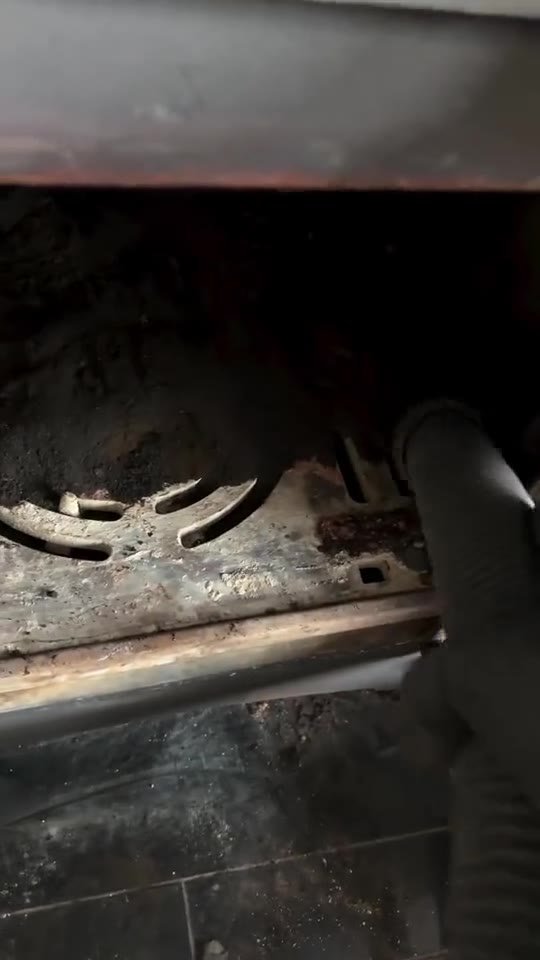
What fireplace cleaning involves
Fireplace cleaning focuses on the parts of the system you see and use: the firebox walls and floor, the grate, the damper area, the smoke shelf and glass doors or screens. For gas fireplaces, it can include cleaning the logs, burner area and glass so the fireplace looks and works its best.
Why homeowners need it
- Removes built-up ash, soot and residue
- Helps the damper open and close properly
- Improves how your fireplace looks, especially glass doors and gas fireplace glass
- Gives us a chance to spot cracked firebrick, a rusted damper or other wear
What to expect at your appointment
- We protect the surrounding floor and furniture
- We remove ash and debris and vacuum the firebox
- We clean the damper area, grate, doors or glass
- We let you know about anything that needs attention
Common questions
Do gas fireplaces need to be cleaned or inspected?
Yes. Gas burns cleaner than wood, but gas fireplaces and gas logs still produce byproducts, and their venting can become blocked by nests, debris or deteriorated parts. NFPA 211 calls for an annual inspection of gas venting systems too. Gas logs, burners and glass may also need cleaning to work properly and look their best.
If you smell gas, don't light anything or use switches. Leave the house and call your gas company or 911 from outside.
How should I get rid of fireplace ashes?
Let the ashes cool, then scoop them into a metal container with a tight-fitting lid. Store the container outside, on a non-combustible surface, at least 10 feet away from your home, deck and anything that can burn. Ashes can stay hot enough to start a fire for several days, so never put them in a paper bag, cardboard box or plastic trash can.
How can I maintain my fireplace between inspections?
- Burn only dry, seasoned hardwood
- Remove ashes regularly, leaving about an inch as a base if you burn wood often
- Store ashes in a metal container with a tight lid, outside and away from the house; ashes can stay hot for days
- Keep the damper closed when the fireplace isn't in use
- Use a fireplace screen or glass doors
- Look up the flue with a flashlight for signs of heavy buildup or debris
- Test your smoke and carbon monoxide alarms
What kind of wood should I burn?
Burn dry, seasoned hardwood such as oak, hickory, pecan or ash. Seasoned wood has usually been split and dried for six months to a year and has a moisture content under about 20%. Wet or green wood smokes more, burns cooler and creates more creosote.